
November 28, 2026




The first time you sit down at a $2/$5 no-limit hold'em table, you'll notice something curious: the players who talk the most tend to lose the most. That's not a personality quirk. It's a survival mechanism. iGaming — slots, sports betting, poker, the whole ecosystem — rewards a specific combination of mathematics and emotional control that most casual players never bother to develop. The house edge on a standard slot machine runs anywhere from 2% to 15%, depending on the title. Sportsbooks operate on margins between 4% and 8% on most major markets. Poker is the outlier: you're playing against other humans, and the rake is the only guaranteed tax. Understanding these numbers isn't optional if you want to last more than a weekend.
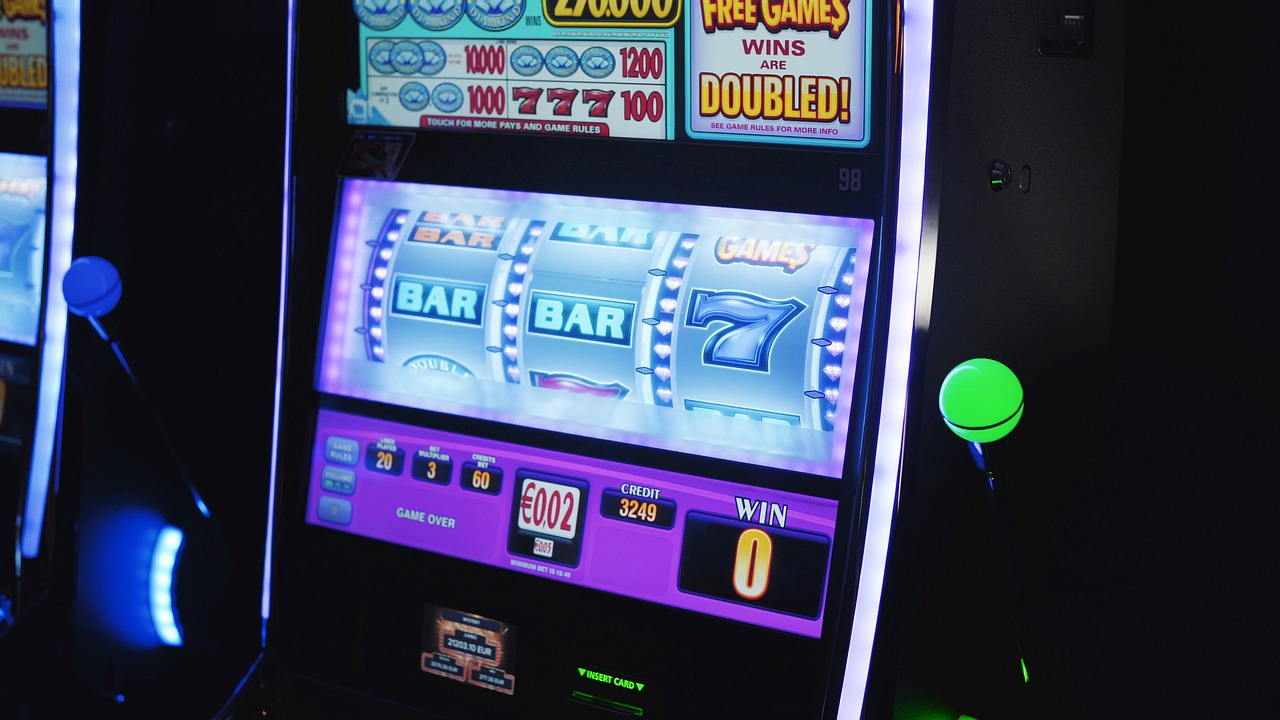
Every casino floor has at least one player who swears the machine is "due" because it hasn't paid out in an hour. That's the gambler's fallacy in its purest form. Slot outcomes are determined by a random number generator that has no memory. A machine with an RTP of 96% doesn't owe you 96 cents after every dollar you lose — it means that over millions of spins, the payout ratio approaches 96%. In any given session, you could hit a jackpot on your third spin or lose 200 spins straight.
What you can control is volatility. Low-volatility slots pay smaller amounts more frequently. High-volatility games like Book of Dead or Bonanza can eat your bankroll fast but offer massive upside. If you have a $100 budget and want a two-hour session, a low-volatility game is your friend. If you're chasing a five-figure score, accept that you'll probably lose that $100 in fifteen minutes.
If you bet $100 on a -110 line at one book and the same game is available at -105 somewhere else, you've just saved yourself $5 in implied value. Over 500 bets, that difference is $2,500. Line shopping is the single most important habit for anyone who treats sports betting as more than occasional entertainment. The second most important is understanding closing line value (CLV). If you consistently beat the closing line — meaning you bet a team at +3 and the line closes at +2.5 — you're likely a sharp bettor, even if your win-loss record looks mediocre in the short term.
Parlays are fun and occasionally profitable if you can find correlated legs. But if you're building five-leg parlays every weekend, you're not betting. You're buying a lottery ticket with extra steps. Before making a choice, it helps to review 789Win.
Poker is the only iGaming vertical where a skilled player can consistently profit over time. That's because you're not fighting a mathematical house edge — you're competing against other players and paying a rake. In a $1/$2 game with a 10% rake capped at $5, the average player loses roughly $10–$15 per hour. To be a winning player, you need to extract that from your opponents while also being better than they are.
The modern low-stakes game is tighter than it was a decade ago. Everyone has access to solvers, training sites, and preflop charts. The edge comes from situational awareness: It is also worth checking 789 Win before deciding.
One more thing: poker tables have gotten tougher because of tracking software and HUDs. If you're playing online and ignoring player stats, you're giving money to people who aren't.
Every iGaming discipline comes down to the same enemy: your own brain after a bad beat. Tilt is a real, measurable phenomenon. Heart rate spikes, reaction time drops, and the prefrontal cortex — the part responsible for long-term decision-making — gets hijacked by the amygdala. That's why you see players three-bet shove 200 big blinds with ace-high after losing a flip.
The fix isn't willpower. It's routine.
Sleep matters too. A famous study from the University of Waterloo found that sleep-deprived participants made significantly riskier financial decisions. If you're grinding at 2 a.m. after an eight-hour workday, you're not in a state to calculate pot odds correctly. You're gambling, not playing.
iGaming bonuses are designed to look generous and function as marketing spend. A 100% deposit match up to $500 sounds great until you notice the 40x wagering requirement, the 7-day expiry, and the exclusion of all table games from counting toward the rollover. That means you might need to wager $20,000 on slots with a 96% RTP before you can withdraw a dime. The expected loss on that action is roughly $800. The bonus was never free.
Stick to bonuses with wagering below 30x, no game-weighting tricks, and a reasonable timeline. If a casino's terms page looks longer than a mortgage contract, it's not an accident.
iGaming is entertainment first. The moment it becomes a financial strategy, the numbers stop being friendly. The people who win are the ones who treat it like a skilled hobby, keep records, stay sober, and walk away when the math says to. Everything else is noise.
Your happy place for drinks and good company.
Copyright © 2026 Cheerful Pub. All rights reserved. Cheerful Pub.