
November 28, 2026




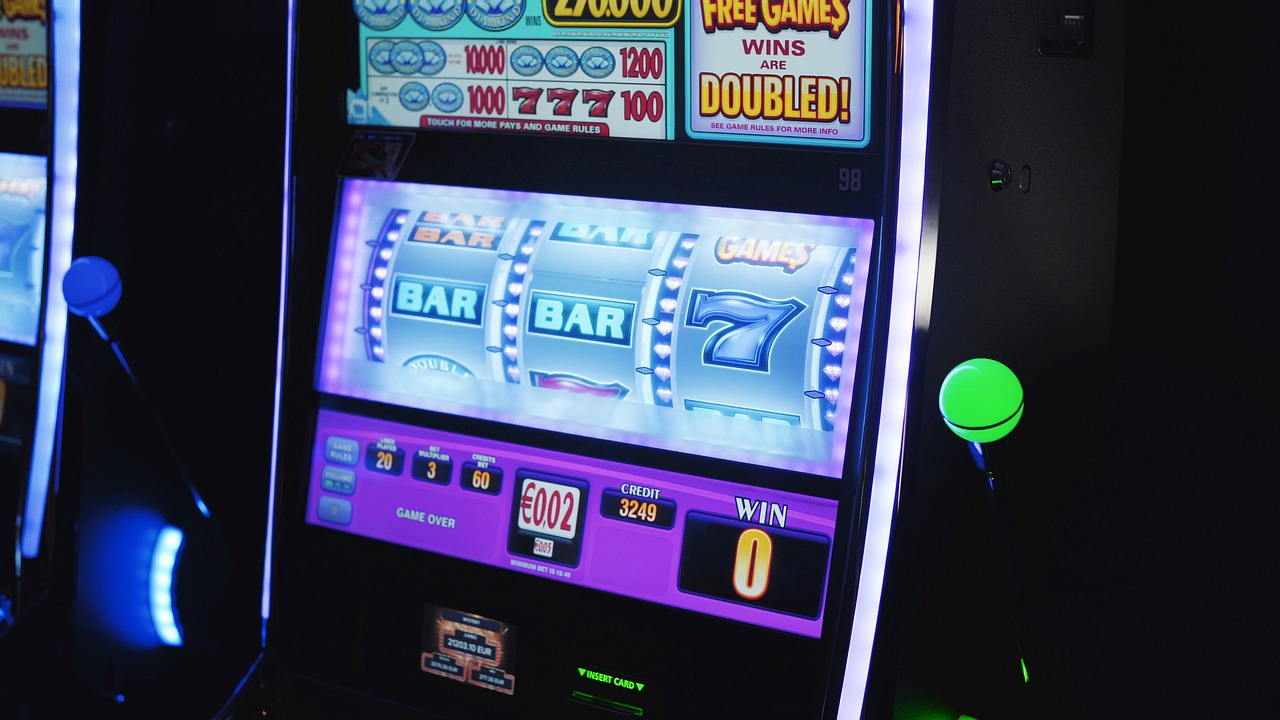
You've been spinning the same slot for forty minutes. Your balance is bleeding out in small, steady increments, and the bonus round hasn't shown up once. Meanwhile, a screenshot in some forum shows a player turning a $2 bet into $18,000 on the exact same game. Frustrating? Absolutely. Random? Not as much as you think. The difference often comes down to one of the most misunderstood concepts in iGaming: volatility. Understanding it won't make you luckier, but it will stop you from playing the wrong game for the wrong reasons.
These two numbers get blended together constantly, and that confusion costs players money. Return to Player (RTP) is the long-term theoretical payback percentage of a slot, typically somewhere between 94% and 97%. Volatility, sometimes called variance, describes how that payback is delivered.
A low-volatility slot with a 96% RTP might pay small amounts frequently, keeping your session steady. A high-volatility slot with that same 96% RTP might swallow 200 spins before dumping a massive win. Over millions of spins, both return the same percentage. Over your 30-minute session, they feel like completely different worlds.
Here's the practical takeaway: RTP tells you the price of the entertainment. Volatility tells you the shape of the ride.
Most casinos and review sites sort slots into low, medium, and high volatility. Rough benchmarks:
If you have $50 and want two hours of play, a high-volatility slot is the wrong tool. If you have $50 and want a genuine shot at a four-figure cashout, low volatility will bore you into making reckless bets. Match the game to your goal. For practical tips, check out FUN88.
Serious players think in terms of session bankroll and bet sizing relative to volatility. A workable rule of thumb: You can read more about it on FUN 88.
This isn't about being timid. It's about survival. High-variance slots punish short bankrolls brutally because the math doesn't care that you feel due for a bonus. You need enough spins to actually reach the part of the distribution where the big wins live.
Slots aren't the only place variance bites. In blackjack, basic strategy reduces the house edge to roughly 0.5%, but the game still swings hard. A player flat-betting $10 a hand can lose $200 in twenty minutes without doing anything wrong.
Poker is where variance gets truly nasty. Even a strong player with a genuine edge can run below expectation for 50,000 hands. Cash game win rates are measured in big blinds per 100 hands, and anything above 5bb/100 is considered solid at most stakes. Yet a single bad session can wipe out a month of that grind. Tournaments are even wilder: the majority of your profit in a given year might come from two or three deep runs. That's not a flaw in your game. That's the structure.
Sports betting follows the same pattern. A bettor hitting 55% against the spread is genuinely skilled, but over a weekend of ten bets, going 3-7 is entirely normal. Variance doesn't respect your homework.
Variance is not a bug in the system, and it's not something you can outsmart with a lucky ritual or a hot streak. It's the mechanical heartbeat of every casino game, from a 96% RTP video slot to a heads-up poker hand. The players who last aren't the ones who avoid variance. They're the ones who respect it, size their bets accordingly, and choose games that match both their bankroll and their temperament. Next time a slot eats your balance without a single bonus, you'll at least know why. And knowing why is the first real edge you can actually keep.
Your happy place for drinks and good company.
Copyright © 2026 Cheerful Pub. All rights reserved. Cheerful Pub.