November 28, 2026



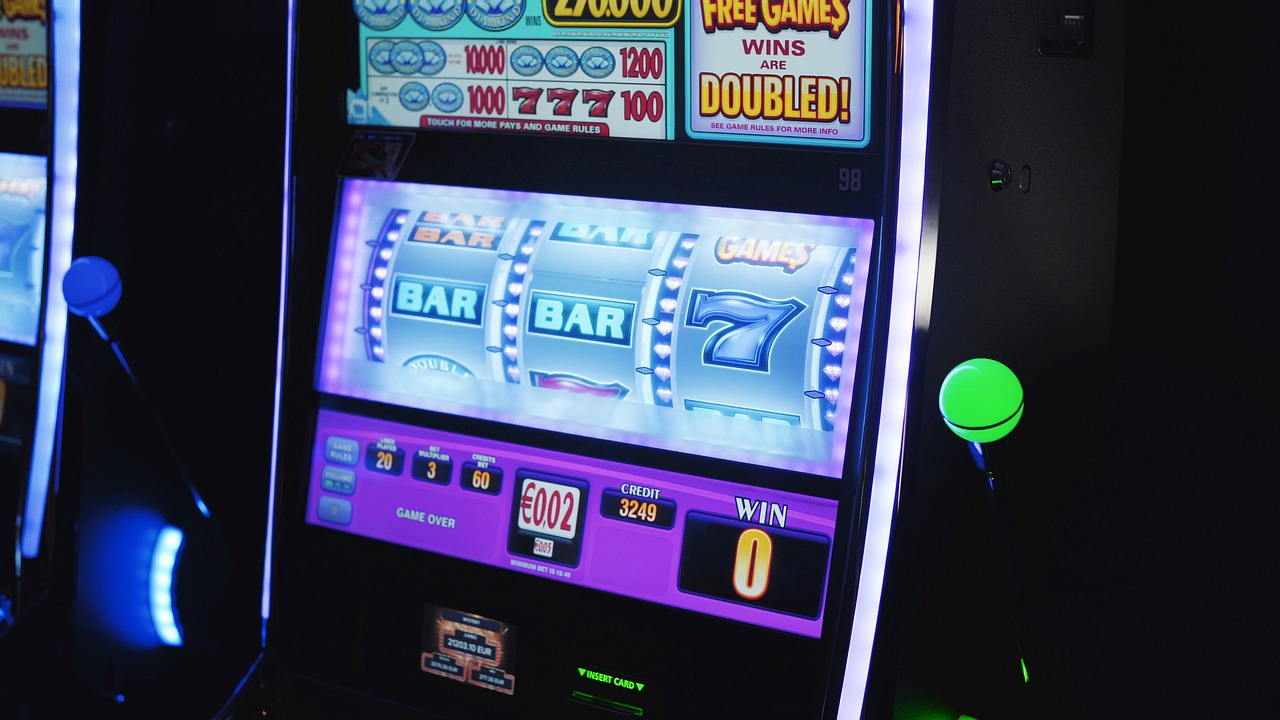
That shiny "97% RTP" badge on a slot's loading screen is doing a lot of quiet work. Players see it and think they're practically guaranteed a good time. Operators know better. RTP is one number in a much longer equation that decides whether a session feels like a slow bleed, a coin-flip, or a 400x fireworks show on a Tuesday night. If you're going to spend real money on spinning reels or chasing a flush, it's worth understanding the math underneath the glass.
Return to Player (RTP) tells you what percentage of all wagered money a game is designed to pay back over millions of spins. A 96% RTP slot keeps 4% as house edge in theory. Sounds brutal until you realize that 4% is spread across an almost incomprehensibly large sample. In practice, a 96% game can chew through $200 of your bankroll in twenty minutes and still be "on model."
Here's the part casual players miss: RTP does not measure your session. It measures the machine's lifetime personality. Two slots with identical RTP can behave completely differently for you, depending on how that RTP is distributed. Which brings us to variance.
Regulators like the UK Gambling Commission and Malta Gaming Authority require published RTP figures for licensed slots, and most online casinos now list them on the game info panel. Land-based machines are murkier, and in some US jurisdictions the RTP can be set anywhere between roughly 85% and 98% by the operator. Same game. Very different economics.
Volatility (also called variance) describes how wins are distributed. Low-volatility slots pay small, frequent amounts. High-volatility slots pay rarely but can pay enormous multipliers when they do. Neither is "better" — they're different tools for different bankrolls.
Concrete example. A low-volatility game like Starburst-style clones might hit a winning combination on roughly 25-30% of spins, with most pays between 0.2x and 5x your stake. A high-volatility monster like Money Train or San Quentin might produce a win on fewer than 15% of spins, but the bonus round can produce 5,000x to 50,000x. On a $1 spin, that's a $50,000 hit — but you might wait 300 spins to even trigger the bonus.
Slots get the attention, but poker, blackjack, and sports betting each carry their own edge structure — and they are wildly different animals. You can read more about it on 78WIN.
In table games, the theoretical house edge is measurable and stable. Blackjack played with basic strategy sits around 0.5%. European roulette is about 2.7% (thanks to the single zero). American roulette, with its double zero, jumps to 5.26%. That single extra pocket nearly doubles the casino's cut — a reminder that rule variants matter more than flashing lights.
Sports betting is subtler. A fair coin-flip market would offer +100 on both sides. Real books price both sides around -110, which translates to roughly a 4.5% theoretical hold. In practice, sharp bettors find +EV spots by line shopping across multiple books, and books respond by limiting or banning winning accounts. Recreational bettors paying -110 on both sides over thousands of bets are essentially paying a 4.5% tax on turnover.
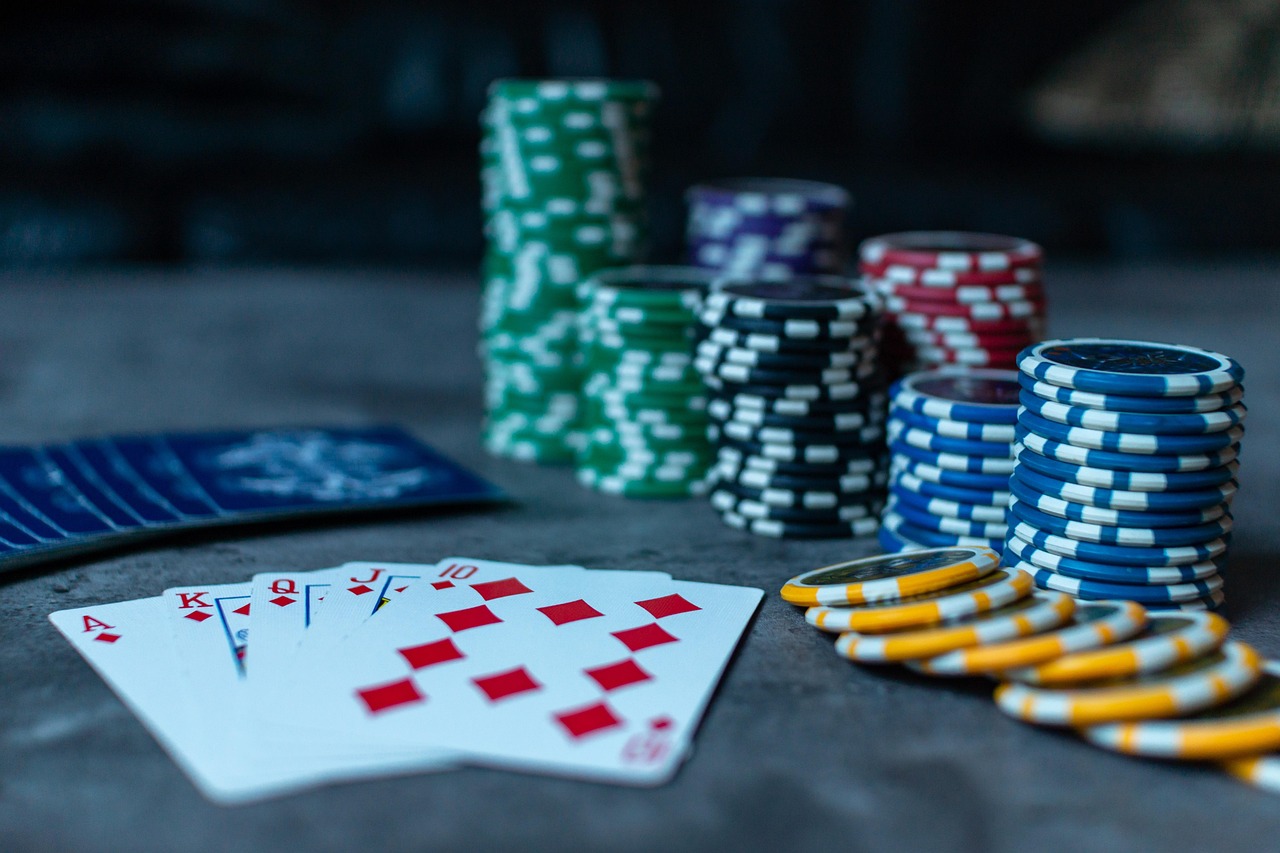
Poker is different. The house doesn't take a theoretical edge against you on each hand the way a slot does — it takes a rake, typically 5% of the pot capped at a few dollars, or a flat time charge at higher stakes. Whether you're a long-term winner depends on your skill relative to the table, not on the rake alone.
But the rake matters enormously at low stakes. A $1/$2 cash game with a 10% rake capped at $5 is nearly unbeatable for a mediocre player. Move up to $5/$10 with the same rake structure and suddenly a 3bb/100 win rate is achievable for a strong player. This is why serious players obsess over win rates measured in big blinds per 100 hands (bb/100) rather than absolute dollars.
Tournament poker adds another layer. The rake is baked into the buy-in, and the prize pool is usually 85-92% of total entries. A $100 tournament with a $10 rake means you're playing a $90 expectation event for a $100 price tag. Fine for entertainment, rough as an investment.
Here's the thing nobody wants to hear: picking the "best" game matters far less than not going broke. A 95% RTP, medium-volatility slot player with 1,000 spins' worth of bankroll will almost always outlast a high-volatility chaser with 50 spins in the tank, even if the second player picked a superior game on paper.
The bonus hunt trap deserves a mention. Clearing a 40x wagering requirement on a 96% RTP slot requires roughly 1,600x your bonus in turnover to be statistically neutral. That's not free money; it's a structured volume commitment. Further details are available through 78 WIN.
A winning sports bettor and a losing one might use the same app and pick the same favorite. The difference is behavioral: line shopping, unit sizing, refusing to chase losses, and treating the process as an edge-hunting exercise rather than a dopamine dispenser. A winning poker player and a losing one might sit at the same table — one folds the second-best hand, the other can't.
Slots are the only category where skill truly does not move the needle. You cannot outplay a random number generator. Which is why the smartest slot players treat it as pure entertainment spending with a defined budget, the same way they'd treat a concert ticket. The math is what it is. The variable you actually control is how much you're willing to pay for the experience.
Understand RTP. Respect volatility. Know the house edge of the game you're sitting in. Set limits you'll actually honor. And if you find yourself needing to win to feel okay, that's a cue to step away — not to spin faster. The math doesn't care about your feelings, and that's exactly why it's worth learning it cold.
Your happy place for drinks and good company.
Copyright © 2026 Cheerful Pub. All rights reserved. Cheerful Pub.