November 28, 2026




You've seen the flashy ads, the neon lights, the promise of a life-changing jackpot. But what's really going on behind the screen? Whether you're a curious newcomer or a seasoned player looking for an edge, the world of iGaming is far more nuanced than a spinning reel or a dealt hand. Let's cut through the hype and talk about what actually matters: the games, the odds, the strategies, and the smart way to play.
iGaming isn't a single thing. It's an ecosystem. On one side, you have casino games—slots, table games like blackjack and roulette, and live dealer options that stream real croupiers to your screen. On the other, sports betting, where you wager on everything from the Premier League to esports. Then there's poker, a game of skill masquerading as gambling. And let's not forget lotteries, bingo, and virtual sports. Each vertical has its own rhythm, its own house edge, and its own community.
What ties them together? The software. Platforms like Microgaming, NetEnt, and Playtech power thousands of sites. They determine how often a slot pays out, how smooth a live blackjack stream runs, and whether a poker room has enough traffic to keep tables full. Knowing who's behind the games is step one.
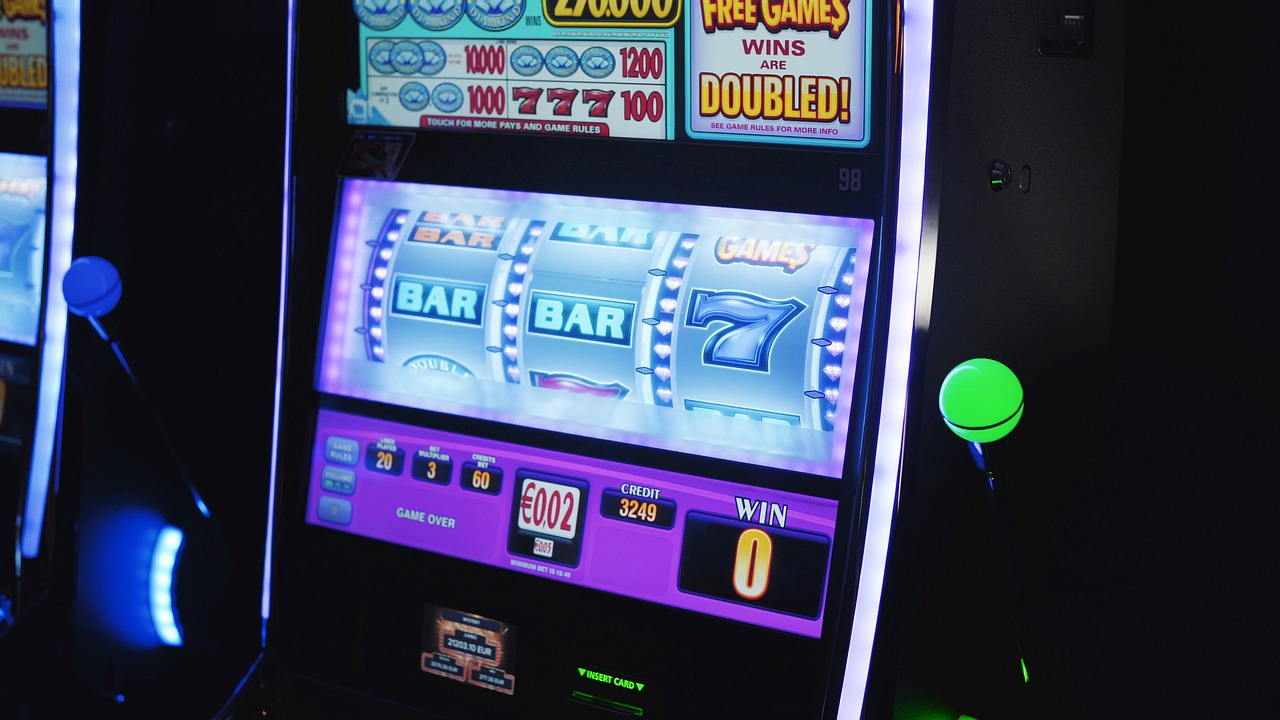
Slots are the cash cow. They account for roughly 70% of casino revenue in many markets. But not all slots are created equal. A few key numbers tell you more than any theme or bonus round:
Take Book of Dead by Play'n GO. It's high volatility, 96.2% RTP, and a max win of 5,000x your stake. Compare that to Starburst, a low-volatility classic with 96.1% RTP but frequent small wins. Neither is "better"—they suit different moods and budgets. My advice: pick a slot whose volatility matches your session length. If you have 20 minutes and a small bankroll, go low. If you're chasing a dream and can handle dry spells, go high. You will find a helpful summary at SHBET.
Poker is the great exception. Over the long run, a skilled player can consistently profit. But that doesn't mean it's easy. The iGaming poker world is divided into cash games, tournaments (MTTs), and sit-and-gos (SNGs). Each demands a different approach.
Let's talk numbers. In Texas Hold'em, you're dealt two hole cards from a 52-card deck—1,326 possible combinations. The flop brings 19,600 possible triples. That's why position, betting patterns, and opponent reading matter more than your cards. A common beginner mistake is playing too many hands. Top pros play only 20-25% of starting hands in full-ring cash games. Tight is right.
If you're new to online poker, start with micro-stakes ($0.01/$0.02) and focus on one format. Play 10,000 hands before judging your skill. Track your results with software like PokerTracker. And remember: variance is brutal. Even a 5bb/100 winner can have losing months.
Sports betting feels more analytical than slots. You study form, injuries, weather. But the bookmaker's margin—the vig—is always lurking. A standard -110 line on both sides of a point spread means you need to win 52.4% of bets just to break even. That's the hidden tax. For practical tips, check out SH BET.
Successful bettors hunt for value. They find lines that are mispriced due to public bias. For example, if a popular team like Manchester United is overbet, their odds shrink, creating value on the underdog. But you need discipline. Chasing losses, betting on your favorite team, or ignoring bankroll management will bleed you dry. A simple rule: never bet more than 1-2% of your bankroll on a single wager. And shop around for the best odds—a half-point difference can turn a long-term loser into a winner.
You can have the best strategy in the world, but if you don't manage your money, you'll crash. Bankroll management isn't about being cheap; it's about survival. Here's how to do it right:
I've seen too many players hit a big slot win and immediately dump it all into high-stakes blackjack. Don't be that person.
Live dealer games bridge the gap between land-based and online. You get real cards, real dealers, real-time interaction. But they come with higher minimum bets and slower pace. The trust factor is huge—you can see the shuffle, the deal, the spin. If you're skeptical about RNGs (random number generators), live dealer is your comfort zone.
However, not all live studios are equal. Evolution Gaming dominates, but smaller studios like Ezugi offer competitive options. Check the stream quality, the dealer professionalism, and the betting limits. A choppy stream or a rude dealer kills the experience.
iGaming is entertainment first. The moment you forget that, you're in trouble. The house always has an edge—except in poker, where you can flip the script with skill. So pick your games wisely. Understand the math. Manage your bankroll like a CFO. And never chase losses. Whether you're spinning slots for fun, grinding poker tournaments, or betting on the weekend fixtures, the goal is to enjoy the ride without derailing your finances. The best players aren't the ones who win the most—they're the ones who last the longest.
Your happy place for drinks and good company.
Copyright © 2026 Cheerful Pub. All rights reserved. Cheerful Pub.