November 28, 2026



Most people who lose money gambling lose it for the same boring reason: they never bothered to learn what the house actually takes. Not the marketing version, not the casino-host version, the real number. If you understand a slot's RTP, a poker room's rake, and a sportsbook's margin, you are already ahead of roughly 90% of the people sitting next to you. Let's walk through the mechanics without the fluff.
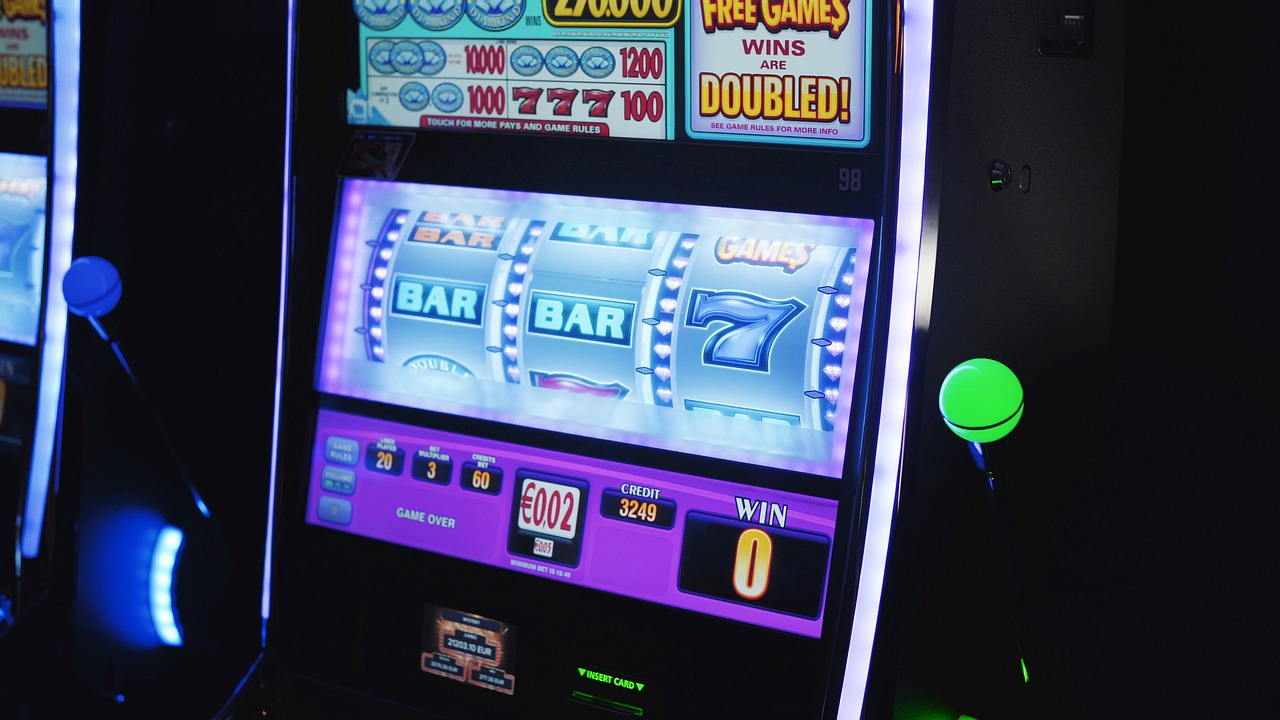
Every regulated slot machine publishes a Return to Player percentage. If a slot shows 96% RTP, it means that over millions of spins, the machine pays back 96% of all money wagered and keeps 4%. That 4% is the house edge. Simple. But here is the trap: RTP is a long-run average, not a promise about your session. You can hit a 2,000x multiplier on your third spin or feed the same machine for two hours without a bonus.
The number that actually affects your experience is volatility. Low-volatility slots pay smaller amounts more frequently. High-volatility slots pay rarely, but the wins can be huge. A 96% RTP machine with high volatility feels completely different from a 96% RTP machine with low volatility, even though the math label looks identical. L'Avenue Dubai offers a practical breakdown of the topic.
A practical tip: match volatility to your budget. If you are playing with $50, sit at a low-volatility game and grind. If you are playing with $500 and you actually want the shot at a big hit, high volatility is fine, just accept that most sessions end in a bust.
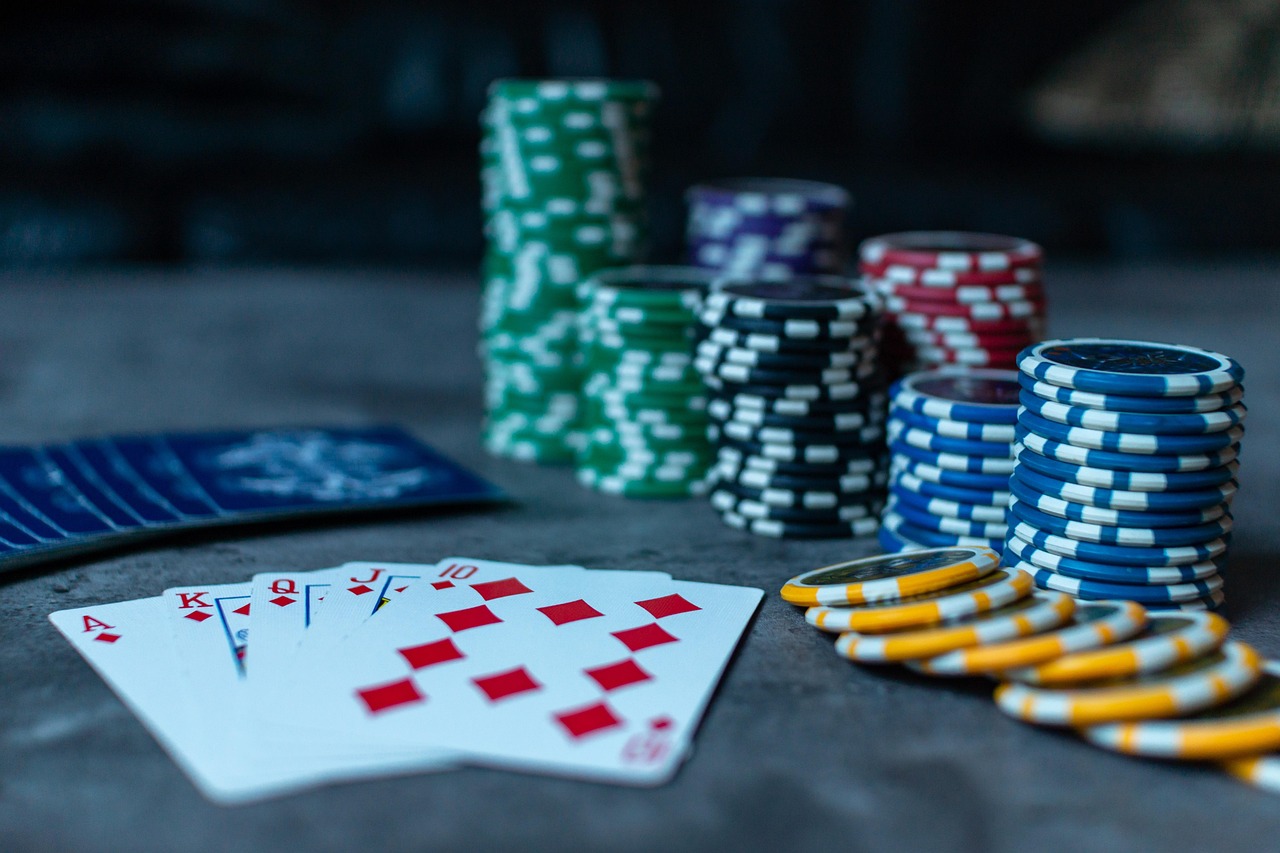
Poker is the only mainstream gambling game where you play against other humans. That sounds great until you remember the house still takes a cut. The rake is money removed from every pot, either a percentage (usually 5% at most cash tables) or a flat fee. At low stakes online, that 5% often caps out at $2 or $3, but it also applies to every single flop you see. Over thousands of hands, the rake becomes the biggest single expense most players pay.
Here is a concrete example. At a $0.50/$1 no-limit hold'em table, if 15% of pots reach a $20 average and you play 500 hands a week, the rake is quietly shaving several dollars an hour off every winning player's graph. A modest winner grinding $5 an hour pre-rakeback can end up close to break-even. This is why high-volume players obsess over rakeback deals, loyalty programs, and site selection.
The bookmaker's edge is baked into the odds. A standard point-spread market is usually priced at -110 on both sides. That means to win $100, you risk $110. The extra $10 is the vig, also called the juice. Roughly, standard two-way markets carry about a 4.5% hold for the sportsbook.
Sharp bettors do not try to win every bet. They try to beat the closing line, the odds right before the game starts. If you consistently snag a better price than the closing number, you are beating the market long-term, even if you lose the specific game. That is why line shopping across multiple books is not optional; it is the entire game at the margins.
Whether you play slots, poker, or sports, the rules are nearly identical. Decide what unit size you are comfortable losing on a single decision, and never break that number. For casino games, a common rule is 1% of your bankroll per spin or bet. For sports, no more than 1-2% per play. For tournament poker, standard bankrolls run 50-100 buy-ins depending on field size.
Nearly every failed gambler traces back to poor bankroll discipline, not bad luck. Bankroll is the one variable you actually control. Volatility, variance, and luck fall where they fall.
Some games simply offer terrible value. American roulette has a 5.26% house edge thanks to the double-zero pocket. Keno often runs north of 25%. Big Six wheels and many charity-style casino games run 15-25%. These are not unbeatable, they are just very expensive entertainment. The same $100 that lasts two hours on a 96% RTP slot lasts twenty minutes at those tables.
Gambling is not an investment strategy. It is entertainment with a negative expected value for almost everyone reading this. The best players in the world, whether slots streamers, poker pros, or sports sharps, treat it as a business with real costs. They know their RTP, their rake, their vig, and their edge. If they do not have an edge, they do not play.
You do not have to be a pro. But if you are going to spend money on iGaming, spend it with open eyes. Know what you are paying. Pick games whose volatility matches your patience. Track your numbers. And never chase a loss into a bankroll you cannot survive losing. The math is never wrong. The only question is whether you bothered to learn it.
Your happy place for drinks and good company.
Copyright © 2026 Cheerful Pub. All rights reserved. Cheerful Pub.