October 08, 2026


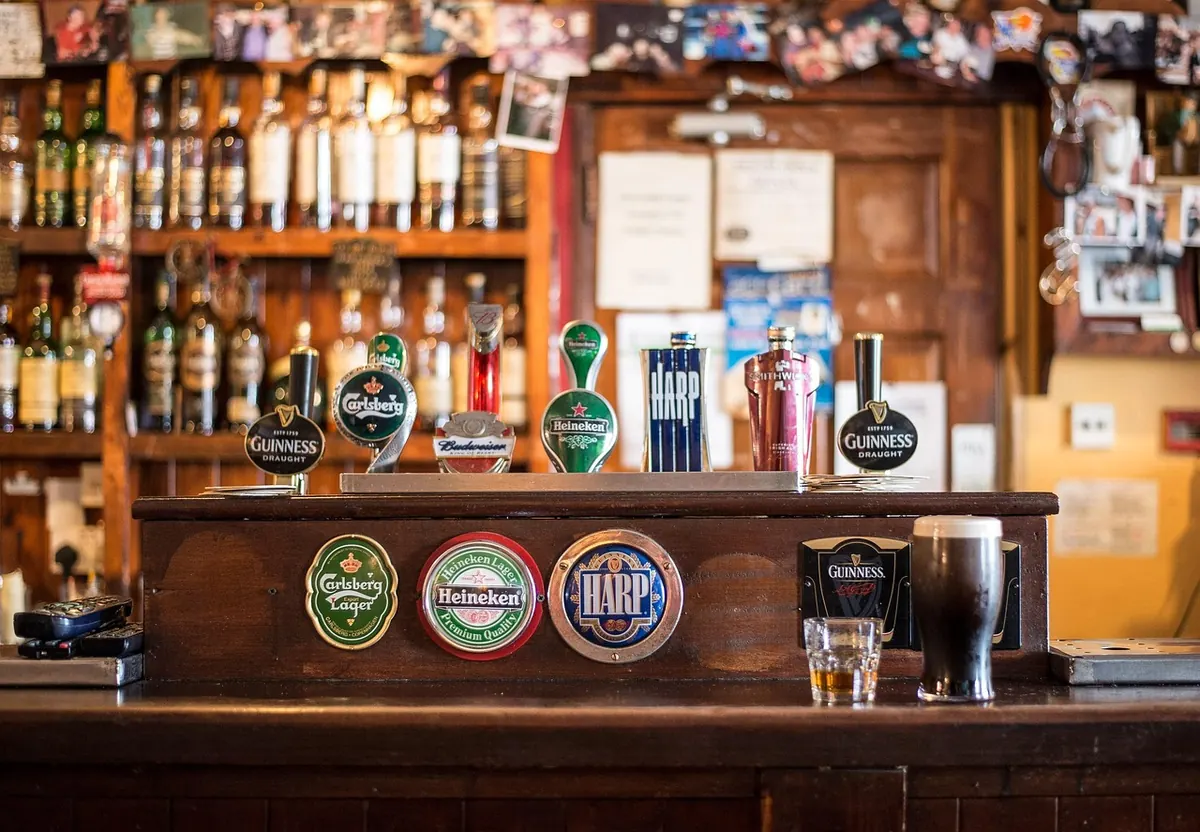
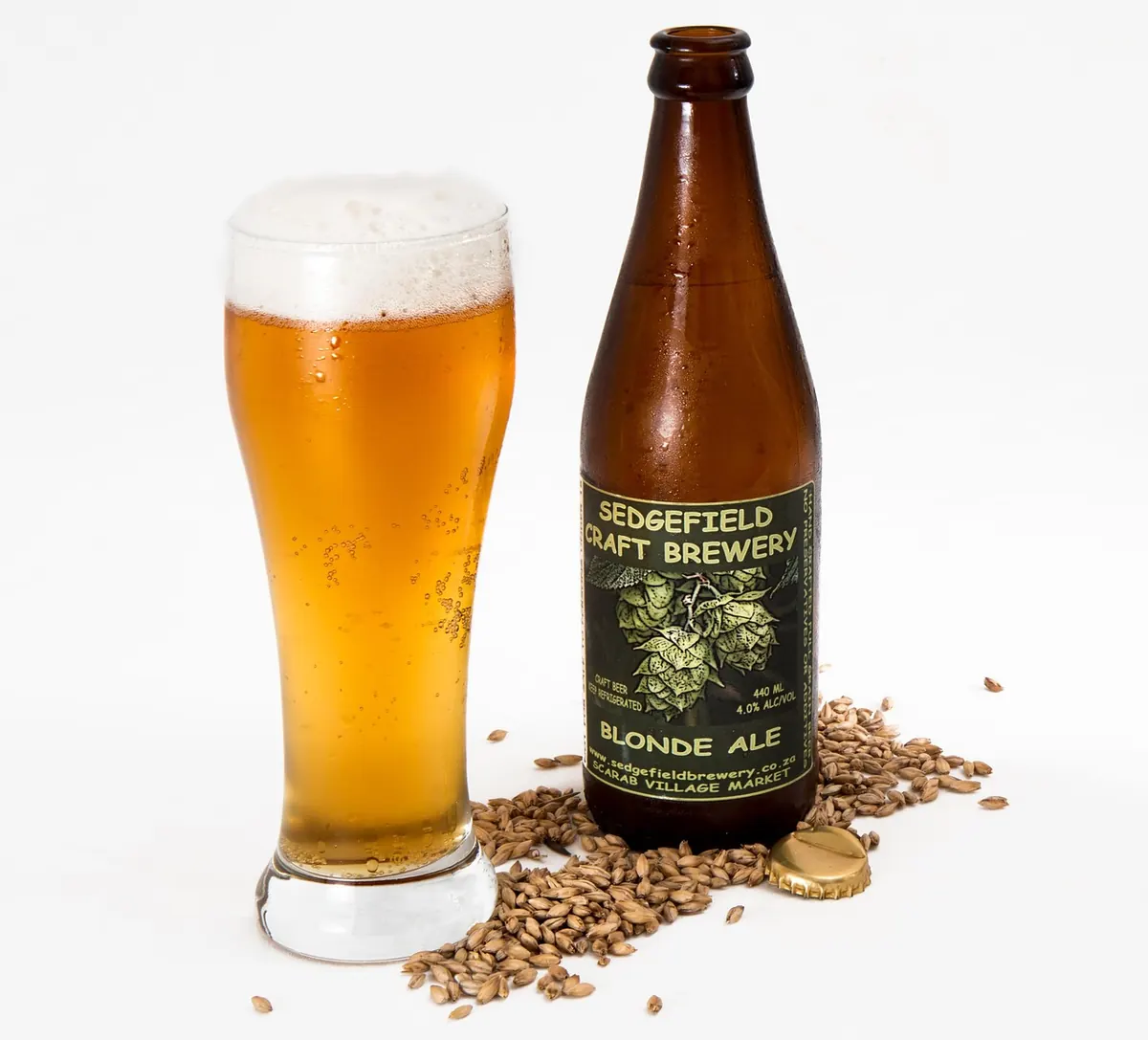
The first sip after a mouthful of hot wing is either a truce or a fight. Get it right and the beer strips the fat off your tongue, the salt makes the malt taste sweeter, and you reach for the next bite faster than you meant to. Get it wrong and a delicate pilsner vanishes under a wall of chilli, or a heavyweight stout flattens a plate of scampi. Pairing beer with pub food is not fussy or precious. It is just a matter of paying attention to a few things that repeat themselves across every menu.
Nearly every pairing decision comes down to carbonation, bitterness, malt flavour and acidity. Learn what each one does and you can make a decent call from any bar stool without consulting anything.
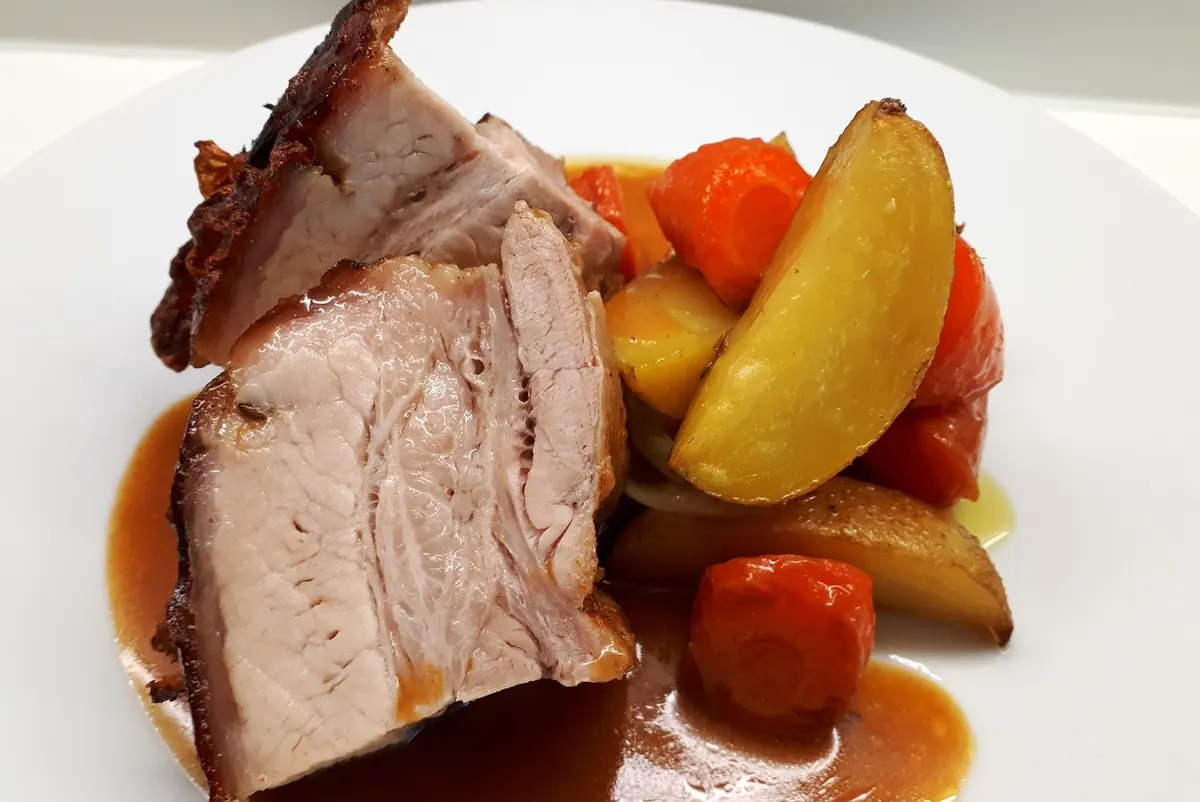
Match intensity first, then choose whether you want an echo or a contrast. A big, smoky, glazed rib wants a beer of similar weight. A plate of lightly battered fish wants something light that steps back. Once you have the weight right, decide if you want the beer to mirror the food or cut against it.
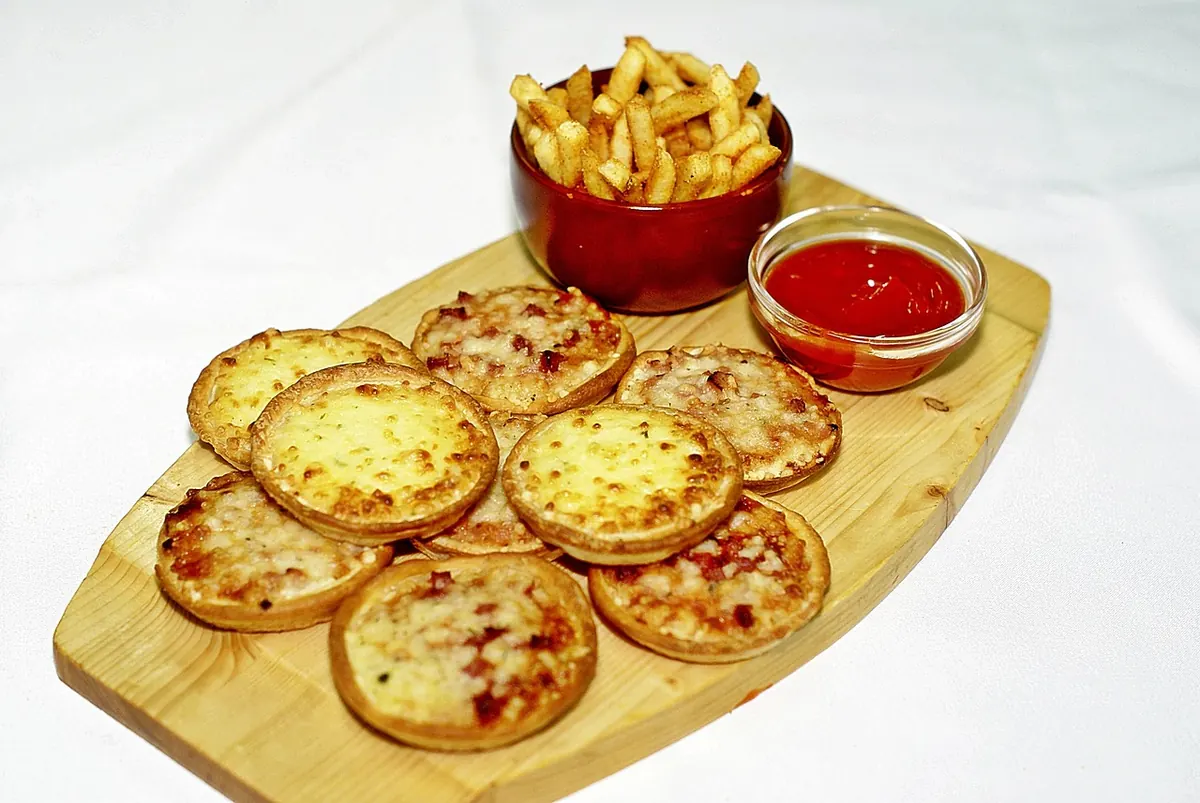
A well-made pilsner is the most useful beer on the bar. It is crisp, dry and cleansing, which is exactly what a basket of hot chips, scampi, onion rings or fish and chips needs. The bubbles lift the oil, the dry finish keeps you hungry, and the gentle hop bitterness stops everything tasting heavy by the third mouthful. Helles and pale lagers do the same job with a touch more softness and bread crust.
Where lagers struggle is with sweetness. A thick honey-glazed sausage or a sticky barbecue sauce will make a lean pilsner taste thin and hollow. Reach for an amber lager or a Munich-style dark lager in that case — the extra malt gives the sugar something to hold onto.
Wings are the great pub test because the sauce changes everything. Salt-and-pepper or lemon-pepper wings love a crisp pilsner. Classic buffalo wings, with their butter-and-vinegar sauce, work with a clean lager or a session-strength pale ale. Sticky sweet wings want an amber lager or a brown ale. If your wings are genuinely fiery, keep the bitterness modest and lean towards something softer, like a wheat beer, and drink it slowly — big hoppy beers and serious chilli heat tend to argue rather than get along.
Salty snacks and hop bitterness are natural allies. Both leave the palate feeling clean, and the combination reads as refreshing rather than aggressive: pork scratchings, salt-and-vinegar crisps, mature cheddar, olives, anchovies, nachos with jalapeños. A classic English pale ale or a moderate American pale ale handles all of it without overpowering.
The trap is going too big. A triple-hopped IPA will bury a delicate Scotch egg, drown a mild fish dish, and turn a chilli-laced snack bitter and tinny. If you want the huge hop hit, order food that can take it — blue cheese, a well-seasoned burger, or a plate of spicy fried chicken. Bitterness and fat are friends; bitterness and heat are not.
Dark beers get unfairly filed under winter, but they are some of the best food beers around. Roast barley flavours echo browned and caramelised food: steak and ale pie, black pudding, grilled sausages, dark bread, chocolate and coffee desserts. A dry Irish stout with oysters is a classic for a reason — the roast and the brine meet in the middle rather than competing.
Milk stouts and sweeter porters sit better with pastry and sugar. A sausage roll with a milk stout tastes like a good breakfast in the best possible way. What you want to avoid is a heavily hopped black IPA with anything delicate, or a sweet stout with a very salty snack, which can leave the whole mouth feeling cloying.
A Scotch egg is three textures stacked on top of each other: crisp crumb, seasoned sausage meat, soft yolk. Nothing too roasty or too hoppy survives contact with it. Pick a malt-forward, gently bittered ale instead — a best bitter, an amber ale, an English pale ale or a brown ale. The malt echoes the browned crust, and the bitterness keeps the sausage meat from sitting heavy. Serve it slightly cool rather than fridge-cold and the pairing improves again.
Cider is the sharpest tool in the box. Its acidity slices through fat better than almost anything else, which makes it the right answer for pork pies, sausage rolls, cheese and onion crisps, and a plate of chips with mayonnaise. Choose dry or medium-dry for food; the sweeter, fruitier styles tend to coat the tongue and lose their edge after a few bites.
Sour and wild beers behave similarly. A gose or a fruited sour with fried fish, or with spicy bar snacks, keeps the palate awake between bites. A Flanders red works beautifully with a ploughman's lunch, where the pickles and sharp cheese are already doing the same job. If you are sharing a table of mixed plates, a dry cider in a half alongside a bitter covers almost every eventuality.
Ask for a small taste before committing to a full pint, especially with an unfamiliar style. Most pubs will pour a mouthful without blinking, and it is far cheaper than leaving three-quarters of something you do not like.
Then taste in cycles: bite, sip, bite again. The second bite is where you learn whether the pairing works, because that is when the beer's effect on your palate shows up. If everything tastes duller on the second bite, the beer is too heavy. If the food suddenly tastes sharper and more interesting, you have found a match.
Two small practical habits help. Let a very cold lager sit for a few minutes — at near-freezing temperatures you taste almost nothing, and the food wins by default. And consider ordering a half of something new next to your usual pint; two glasses on the table let you compare rather than guess.
If you are cutting back on alcohol, plenty of lagers, pale ales and stouts now come in low-alcohol or alcohol-free versions, and the pairing logic above still applies — carbonation, bitterness and malt do not disappear when the alcohol does. Whatever is in the glass, eat first, drink second, and let the food set the pace.
Photo: master-food0 / Pixabay
Your happy place for drinks and good company.
Copyright © 2026 Cheerful Pub. All rights reserved. Cheerful Pub.