October 08, 2026


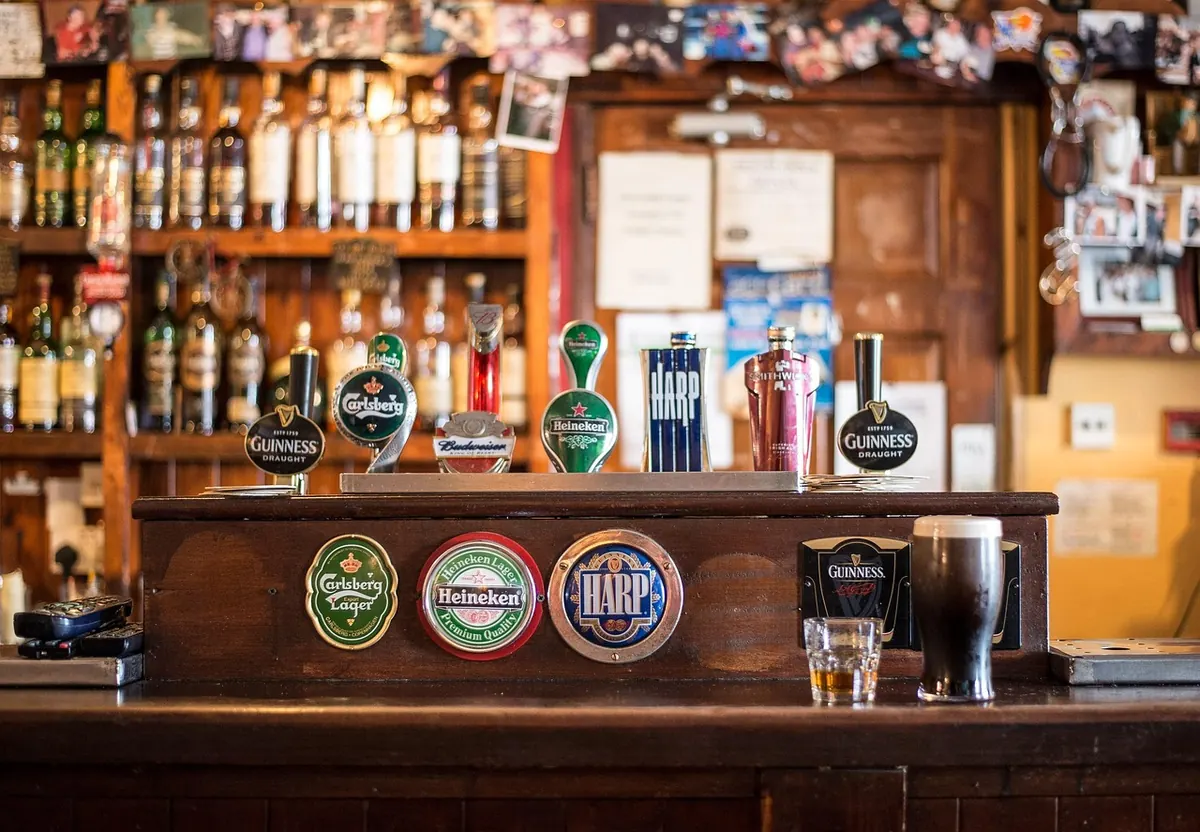
Every neighborhood has one: the pub you'd point a visiting friend toward without a second thought. It's rarely the oldest building in town or the trendiest room in it. It's the place where the lighting is kind, the beer is cold, and nobody makes you feel like you've wandered into a private party. The problem is that you can't judge a pub from the pavement. The sign outside tells you nothing. The ten minutes after you walk in tell you almost everything.
Here's the checklist worth running on a first visit — what a genuinely good local gets right, and what should have you finishing your drink somewhere else.
Pause just inside the door before you commit to anything. A well-run pub is easy to read: you can see where to order, where to sit, and where not to sit because it is plainly someone's stool at the end of the bar. If you have to guess whether the room is open to you, that's information too.
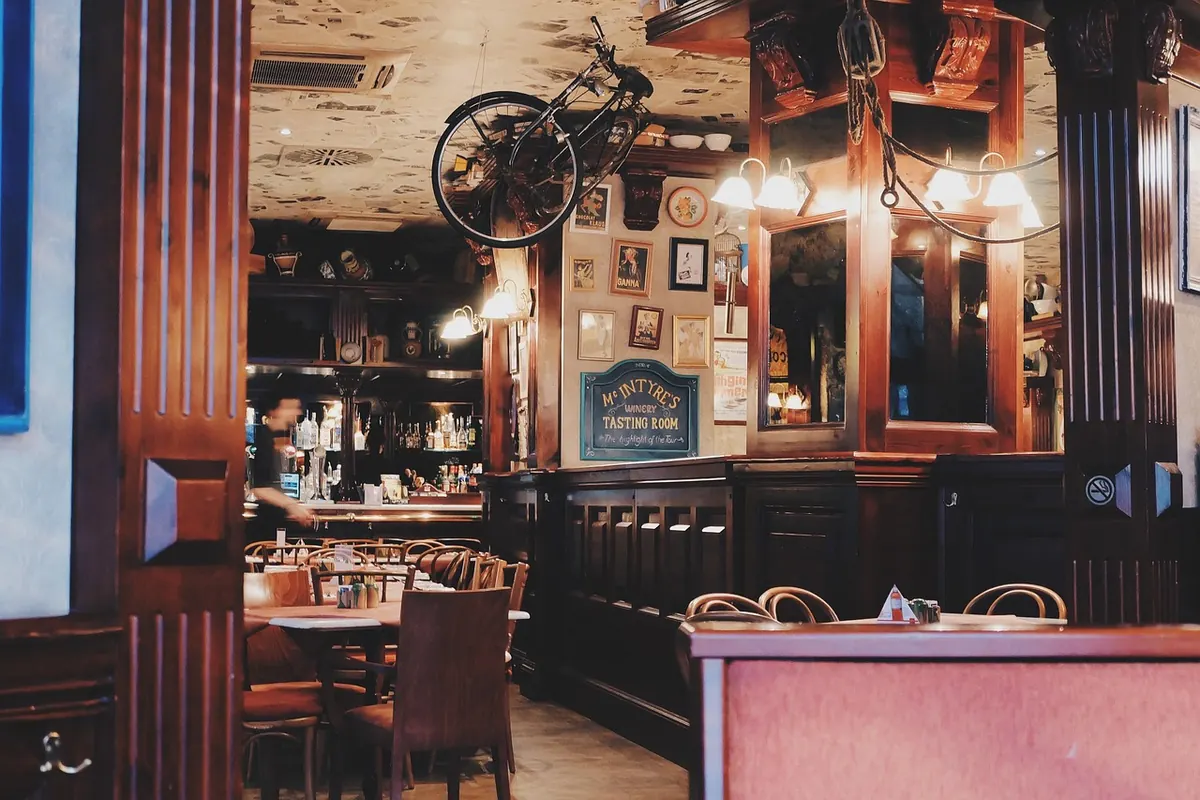
Good pubs get the lighting right — bright enough to read a menu without holding it up to a window, dim enough that you stop squinting at your own reflection. Sound matters more. A room that's loud because it's full of conversation has a different quality to a room that's loud because someone turned the speakers up to cover the silence. You can tell the difference within a minute: in the first, you lean in. In the second, you give up.
Notice the layout as well. Is there somewhere for one person to sit with a paper? Are there tables that seat four, or only long benches built for groups? A pub that works for the solo drinker and the birthday party is doing something right.
Cleanliness isn't about polish. It's about attention, and it shows up in small places: a bar top that isn't tacky under your sleeve, a menu without last week's gravy on it, a glass that smells of nothing at all. Ask where the toilets are. If the room you don't drink in is looked after, the room you do is almost certainly in better shape.
You should be acknowledged inside a minute, even on a busy Friday. Not served — acknowledged. A nod, a raised finger, "with you in two minutes" costs nothing and stops a queue feeling like a scrum.
Beyond that, watch how the people behind the bar handle the things you can't fake:
Staff who are comfortable and proud of where they work is the best single predictor of everything else on this list. Cynicism behind the bar travels fast.
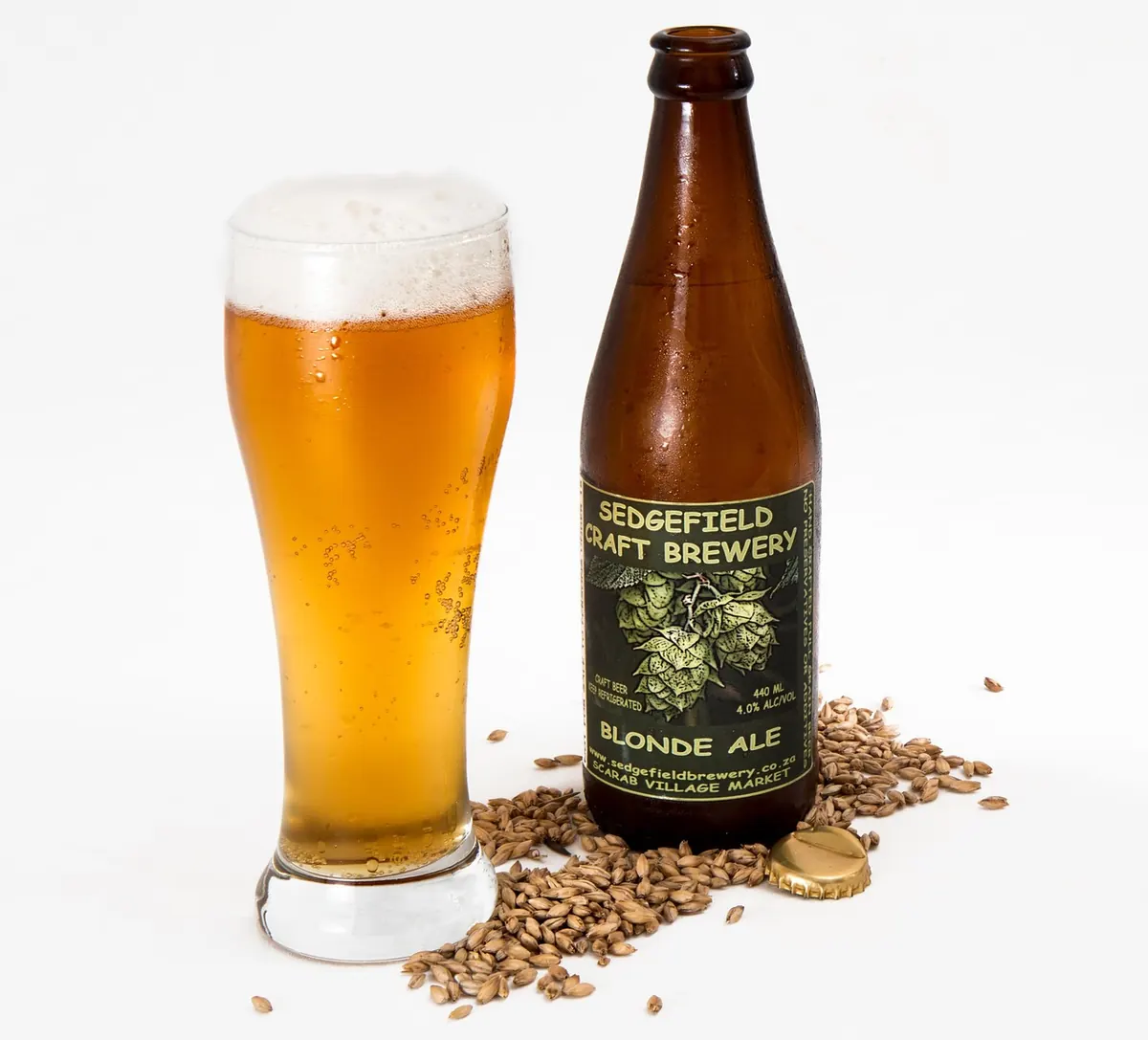
A dozen taps kept properly beat forty taps half of which have been sitting since spring. Ask a simple question — "what's the pale ale like?" — and see what comes back. A shrug is a red flag; a real answer with a recommendation is a good sign.
Range matters, but not in the way the marketing suggests. A good pub covers a few bases well: something dark, something hoppy, something light, a decent lager, and a house wine that doesn't taste of the bottle it came from. It'll have non-alcoholic options that aren't an afterthought, and it won't look at you sideways if you order one. The extras show care: cold water on the bar without asking, proper glassware, a spirit list that hasn't been chosen off a wholesaler's discount sheet.
Some of the best pubs don't serve food at all, and they'll say so — sometimes while pointing you to the takeaway three doors down. That's confidence, not failure. Judge what's there, not what you wish was there.
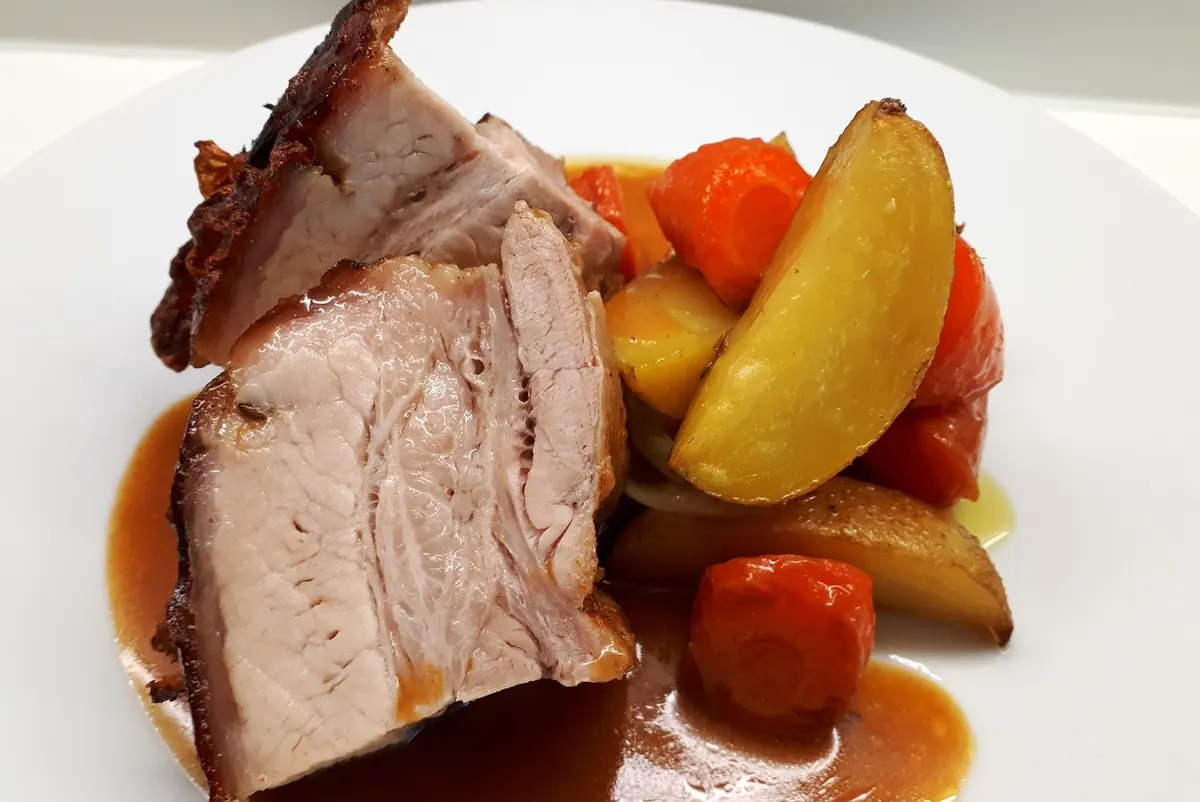
A short menu is usually a better sign than a long one. Six or eight things done properly beats three laminated pages of dishes that share the same sauce and the same freezer bag. Look for a kitchen with a point of view: a couple of things it clearly likes cooking, a special that changes, a portion that doesn't leave you ordering crisps on the way home. And ask what time the kitchen closes. If they tell you honestly rather than letting you order and then hovering, take the answer well.
This is the hardest thing to fake and the thing you'll remember longest. A good local has a life of its own: a quiz on a Tuesday, a darts board with names chalked up, a noticeboard by the door with a dog walker's number and a lost cat. Regulars nod when you come in rather than stopping mid-sentence.
Watch for the line between a club and a clique. In a great pub, the regulars have their corner and you're welcome in yours. In a poor one, walking in feels like interrupting a meeting. If you get a long look, then nothing, then the conversation resumes at exactly the volume it stopped at, that tells you whether you'd ever become a regular yourself.
Give anywhere three visits before you decide. Pubs have rhythms, and Tuesday lunchtime and Saturday night are different businesses entirely.
None of these is an automatic disaster on its own. Two or three together is a pattern.
You don't need a spreadsheet. Give a new place an hour and watch for the small stuff:
Then trust your gut. The best neighborhood pub isn't the one that wins any single test — it's the one where you settle in, look at the room, and quietly decide you'll come back tomorrow. Keep a short list of two or three worth the walk, and leave the rest to the tourists.
Photo: donterase / Pixabay
Your happy place for drinks and good company.
Copyright © 2026 Cheerful Pub. All rights reserved. Cheerful Pub.