October 08, 2026


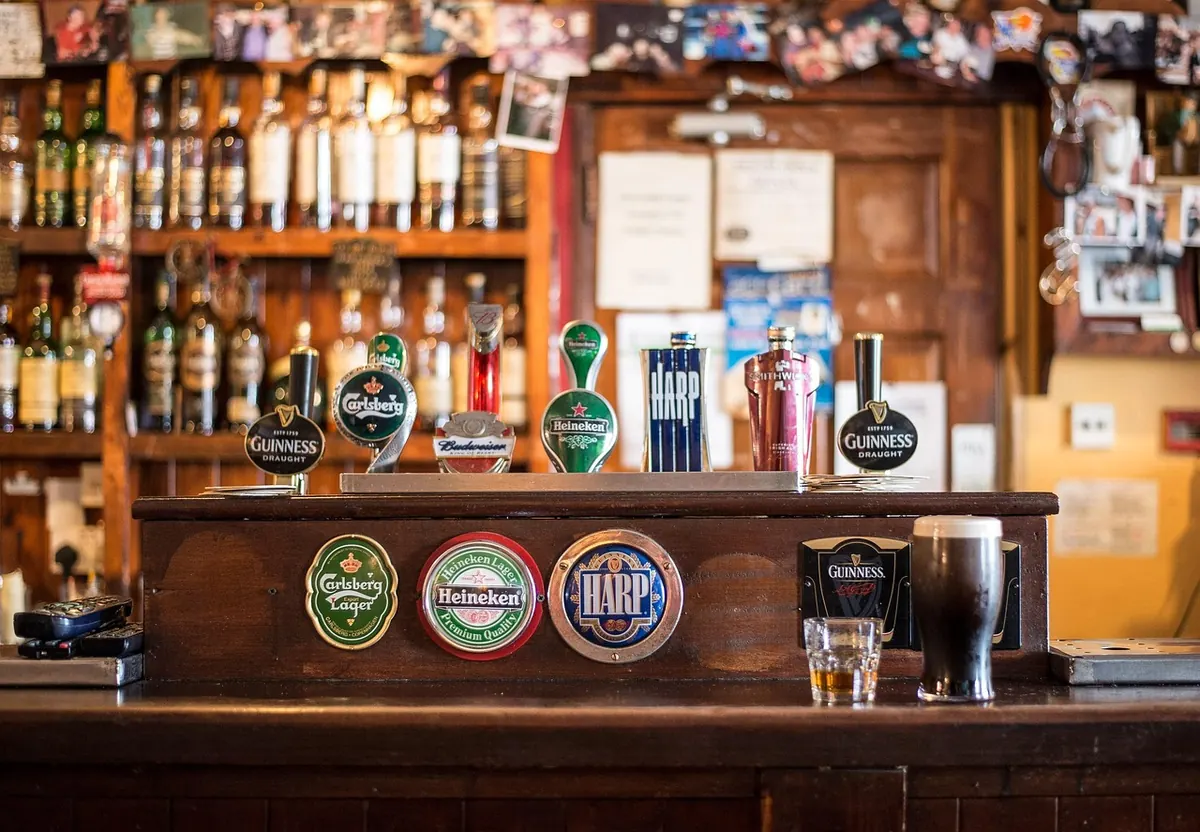
You rented the tap, borrowed the CO2 tank, and set a keg of something good in the corner on ice. Then the first pour is two-thirds foam, the second one sputters, and by the third you're explaining to guests why the beer tastes flat. Almost none of that is bad luck. Home draft setups fail in the same handful of ways, and every one of those ways is fixable.
Here's the checklist worth running through before anyone arrives.
Warm beer foams. That's the whole physics of it: carbon dioxide stays dissolved in cold liquid and escapes from warm liquid, so a keg sitting at room temperature will throw foam no matter what you do at the regulator. Give a full-size keg 24 to 48 hours in a fridge or kegerator before you tap it. If you're using a tub of ice instead, pack ice above the keg's shoulder and add a little water so the cold actually conducts through the metal. A keg resting on ice cubes alone chills unevenly and stays warm in the middle.
Don't overshoot in the other direction. Freezing a keg can disturb carbonation and, in a bad case, damage the keg itself. Cold is good; solid is not. Chill your glasses too — a room-temperature glass knocks the head down and warms the first few ounces on contact.
Pressure is not a volume knob for how fast the beer comes out. It's a balance between the carbonation already in the keg, the temperature you're serving at, and the resistance in the line. Set it too high and you blast the CO2 out of solution on the way to the glass. Too low and the beer crawls out flat.
For a typical chilled commercial keg, 10 to 12 psi is a reasonable starting point, then adjust by taste and pour speed over the first few glasses. Line length and diameter matter as much as the gauge: thin, long lines add resistance and let you pour at higher pressure without foam, while a short fat line will foam even at modest settings. Leave the regulator alone for ten or fifteen minutes after an adjustment. The system needs time to equalize, and chasing it every thirty seconds just makes the problem wander.
Different beers want different treatment, too. A highly carbonated wheat beer needs more pressure than a standard lager, and a cask-conditioned ale served on gravity isn't a pressure question at all.
Beer lines are a warm, sugary, dark environment, which is exactly what biofilm likes. Lines that have sat for a month will taste like it — stale, buttery, or sour — and no fresh keg will cover that up. Clean before every party if the lines have been idle.
New lines from the shop need this too. Manufacturing residue and dust are still in there, and the first pour off a brand-new line is often the worst one you'll have all night.
The instinct when a tap foams is to turn the pressure down. Sometimes that's right, but it's usually the fourth thing you should try. Work through the causes instead:
Change one variable at a time, pour a test glass, and wait a few minutes before touching anything else.
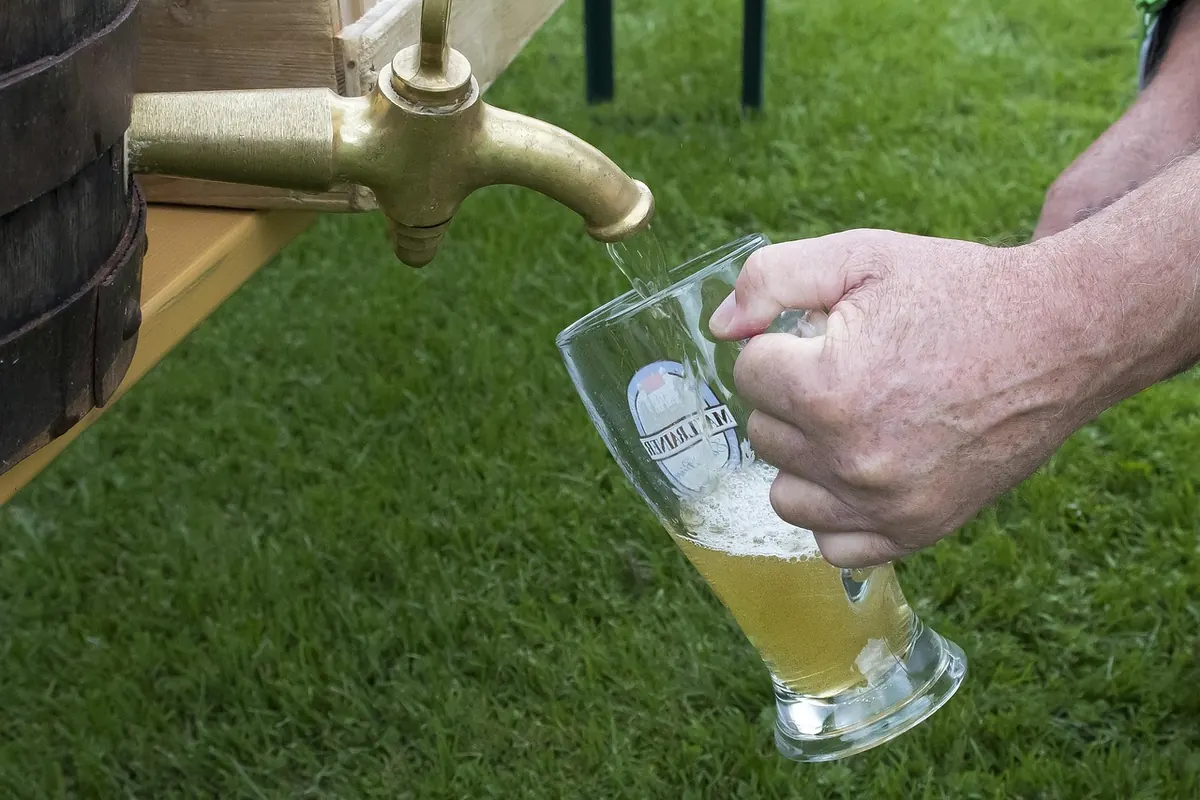
A good pour is slow, controlled, and boring to watch. Hold the glass at about 45 degrees with the faucet just above the rim — not touching the beer, not touching the glass — and let the beer run down the side. When the glass is roughly two-thirds full, straighten it up and finish with the tap open all the way. You want an inch or so of head, not a glass of mousse.
Close the faucet completely between pours. A dripping, half-closed tap leaves sticky beer on the spout, and that dried residue ends up in the next glass. Wipe the spout with a clean cloth when you're done for the night.
A keg that's been in the back of a car for an hour is full of agitated beer. Set it upright in the cold and leave it alone for several hours, ideally overnight, before you tap it. Then tap it gently: seat the coupler straight down, turn it firmly into place, and open the gas slowly rather than slamming the valve open.
The same patience applies to carbonation. If you're carbonating your own keg, set the pressure and let it sit for a few days. Shaking a keg at high pressure to rush the job gives you inconsistent carbonation and a foam problem you'll fight all evening.
The pieces nobody thinks about are the ones that ruin pours. Check them before the party, not during it:
Half an hour before people arrive, run the same short sequence: keg cold, lines clean, pressure set and left alone, gas connections checked, one clean glass and one test pour. Taste it. If it's foamy, you still have time to fix it. If it's good, pour it out anyway and let the system settle.
Keep the keg out of direct sun, keep the ice topped up, and expect the last third of the keg to pour differently than the first. Pressure needs creep as a keg empties, so a small adjustment partway through the night is normal, not a sign you did something wrong.
One more thing worth saying: a keg pours a lot of beer in a short window. Keep water and food within reach, pace yourself, and make sure anyone who's had a few has a ride home that doesn't involve driving.
Photo: stux / Pixabay
Your happy place for drinks and good company.
Copyright © 2026 Cheerful Pub. All rights reserved. Cheerful Pub.